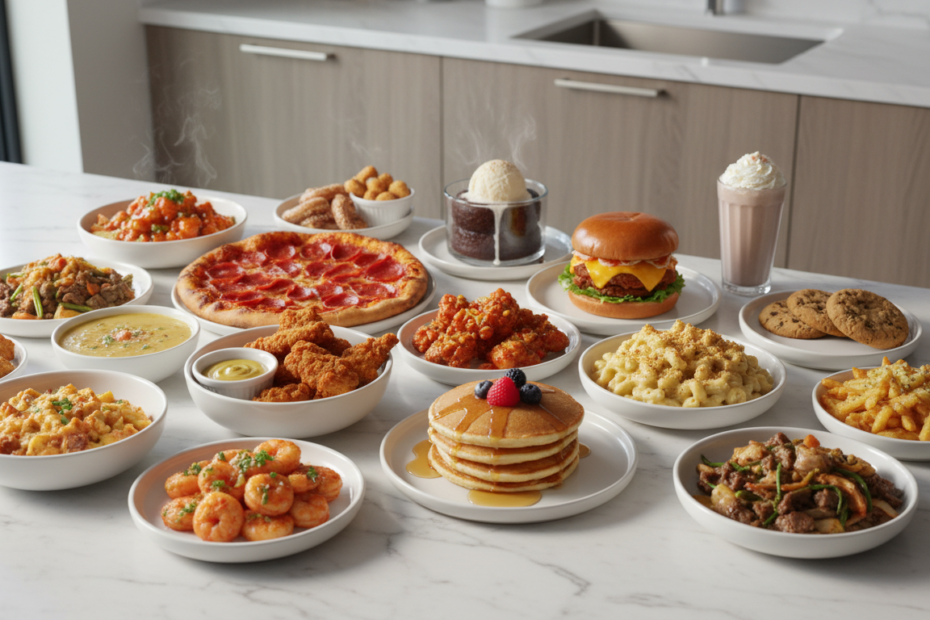
Why go out when you can recreate your favorites at home? These copycat restaurant recipes taste just like the real thing — and cost a fraction of what you’d spend dining out. Whether you’re craving Olive Garden’s famous breadsticks, Chick-fil-A’s iconic sandwich, or Cheesecake Factory’s indulgent pasta, you can nail every single one in your own kitchen.
In this post, you’ll discover 15 of the best copycat restaurant recipes that are so good, they’ll make you forget the original. Get ready to impress your family and save serious money every week.
[toc]
Why You’ll Love These Copycat Restaurant Recipes
There’s something deeply satisfying about recreating a dish you thought only a professional kitchen could produce. These copycat restaurant recipes give you total control over ingredients — no mystery sauces, no hidden calories, and no waiting for a table. You decide exactly what goes in, which means healthier swaps are always on the table.
Beyond the health benefits, the cost savings are staggering. The average American family spends over $3,000 per year dining out. With these recipes at your fingertips, you could cut that number dramatically without sacrificing a single ounce of flavor. Many of these dishes come together in under 30 minutes, making them perfect for busy weeknights.
Best of all, this collection covers every craving — from fast food classics and casual chain favorites to upscale bistro-style dishes. Once you try making these at home, you’ll wonder why you ever paid restaurant prices in the first place.
Ingredients You’ll Need
Because this is a roundup of 15 copycat restaurant recipes, the ingredient list below focuses on the most versatile base pantry staples you’ll reach for again and again across these dishes:
- Boneless chicken breasts or thighs (2 lbs) — the protein powerhouse behind fast-food sandwich copycats and pasta dishes
- All-purpose flour (2 cups) — for breading, dredging, and homemade bread doughs
- Buttermilk (1 cup) — essential for that signature Southern-fried tenderness
- Garlic (1 whole head) — forms the flavor backbone of nearly every savory copycat
- Unsalted butter (1 stick / ½ cup) — for rich sauces, breadstick glazes, and sautéing
- Heavy cream (1 cup) — creates luxurious Alfredo-style and bisque-style sauces
- Parmesan cheese, freshly grated (1 cup) — non-negotiable for authentic Italian chain copycats
- Smoked paprika (2 tsp) — adds that unmistakable restaurant-style depth and color
- Kosher salt & black pepper — season every single layer, just like the pros
- Olive oil (¼ cup) — for sautéing, marinades, and finishing drizzles
- Active dry yeast (1 packet / 2¼ tsp) — for homemade breadsticks, rolls, and pizza doughs
- Canned whole tomatoes (28 oz can) — the secret to rich, slow-simmered marinara and pizza sauces
Substitution Note: Swap buttermilk with whole milk + 1 tbsp white vinegar (let sit 5 minutes). Use coconut cream instead of heavy cream for a dairy-free version. Gluten-free all-purpose flour works 1:1 in most breading and dough recipes.
Prep & Cooking Time
Prep Time: 15–25 minutes (varies by recipe) | Cook Time: 20–45 minutes | Total Time: 35–70 minutes | Servings: 4–6 per recipe
How to Make Copycat Restaurant Recipes Step by Step
Follow this universal framework to nail any of these copycat restaurant recipes with confidence, consistency, and pro-level results every time.
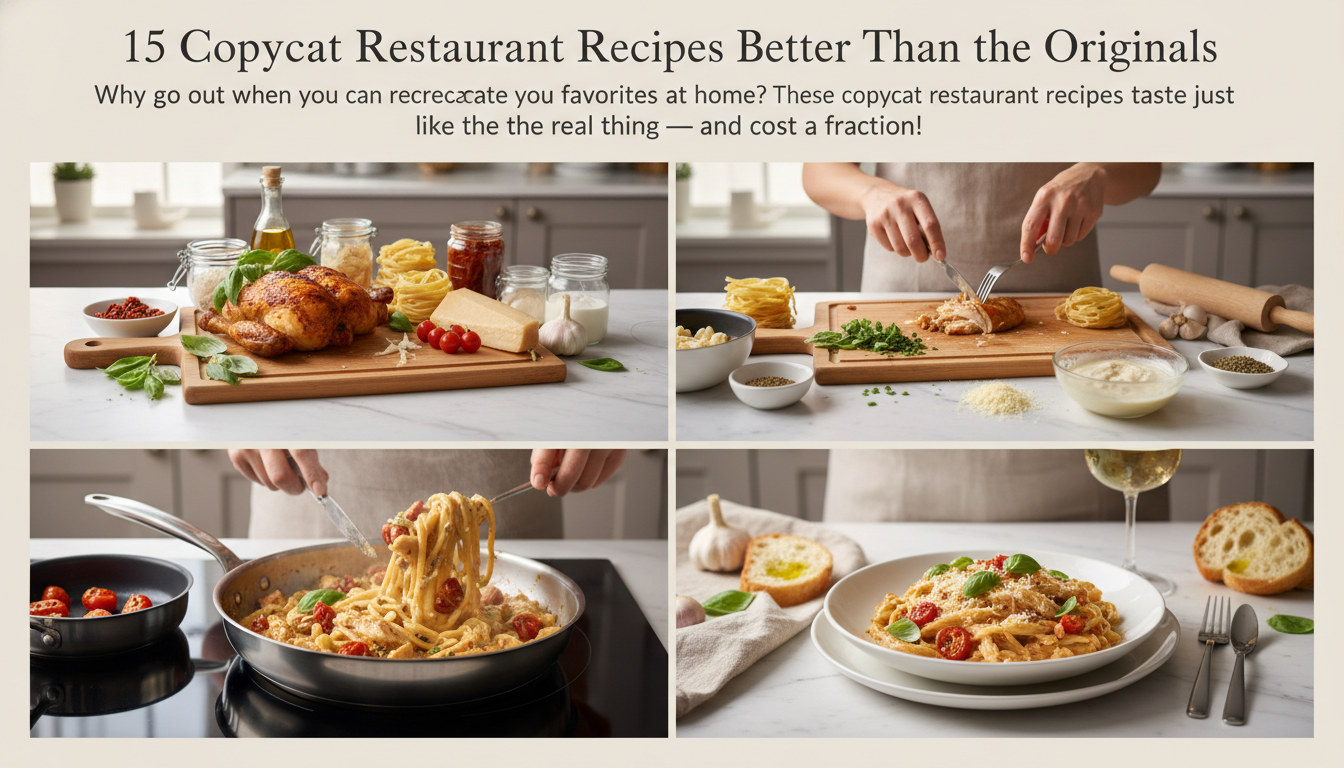
- Research the Original First: Before you start cooking, eat or recall the dish you’re copying. Note the dominant flavors — is it smoky, buttery, tangy, or sweet? That mental flavor map will guide every decision you make. Tip: Write down 3 words that describe the dish’s taste profile.
- Mise en Place (Set Everything Up): Measure and prep all ingredients before turning on the stove. Restaurant kitchens move fast because everything is ready in advance. Replicate that efficiency at home for stress-free cooking. Tip: Use small prep bowls for spices and sauces.
- Layer Your Flavors Early: Season each component separately — your protein, your sauce, your vegetables. Don’t wait until the end to salt. This is the single biggest difference between restaurant food and home cooking. Tip: Taste and adjust at every stage.
- Master the Marinade or Brine: For fried chicken copycats, brine in buttermilk + hot sauce for a minimum of 4 hours (overnight is best). For pasta dishes, salt your pasta water until it “tastes like the ocean.” These small steps create massive flavor payoffs.
- Cook at the Right Temperature: Most home cooks under-heat their pans. Get your skillet screaming hot before adding oil, and your oil shimmering before adding protein. This creates the golden sear that defines restaurant-quality results. Tip: Use a cast iron skillet for best heat retention.
- Build the Signature Sauce: Whether it’s a garlic butter glaze, a cream-based Alfredo, or a tangy secret sauce, the condiment is what makes each copycat unmistakable. Simmer sauces low and slow to marry the flavors. Tip: Always finish butter-based sauces off the heat to prevent breaking.
- Plate Like the Restaurant: Presentation matters. Use warmed plates, wipe the rim with a clean cloth, and add a final garnish — fresh parsley, a lemon wedge, or a drizzle of good olive oil. Your guests eat with their eyes first. Tip: Serve immediately for peak texture and temperature.
Nutritional Benefits of Homemade Copycat Restaurant Recipes
One of the most compelling reasons to make copycat restaurant recipes at home is the nutritional advantage. When you control the kitchen, you control what goes into your body. Restaurant versions of popular dishes are frequently loaded with sodium — the CDC reports that Americans consume an average of 3,400mg of sodium per day, far exceeding the recommended 2,300mg limit, and restaurant meals are a major contributor.
By making these dishes yourself, you can slash sodium by 30–50%, reduce saturated fat by swapping in olive oil for butter where appropriate, and increase fiber and micronutrients by adding more vegetables. Homemade Alfredo sauce, for instance, can be made with reduced-fat cream cheese and skim milk without sacrificing creaminess. A DIY Chick-fil-A sandwich made with air-fried chicken can cut calories by nearly 200 compared to the deep-fried original. Even beloved comfort foods like macaroni and cheese can be fortified with butternut squash purée to boost vitamin A and potassium — completely invisibly.
Tips, Variations & Cooking Advice
1. Flavor Tip — Use MSG Strategically: Many beloved chain restaurant dishes owe their addictive umami depth to monosodium glutamate. A tiny pinch (⅛ tsp) in your fried chicken seasoning or burger sauce is completely safe and makes a noticeable difference in achieving that authentic restaurant flavor profile.
2. Substitution Tip — Make It Lighter: For creamy pasta dishes like Fettuccine Alfredo copycats, use half heavy cream and half reserved pasta water to lighten the sauce without sacrificing richness. The starchy pasta water helps emulsify everything beautifully.
3. Variation — Regional Twists: Take any of these copycat restaurant recipes and give them a regional spin. Add Cajun seasoning to your Olive Garden chicken for a New Orleans twist, or swap cheddar for pepper jack in your Applebee’s quesadilla for a Tex-Mex upgrade. The base recipe is your canvas.
4. Storage Tip: Most of these recipes store exceptionally well. Refrigerate in airtight containers for up to 4 days. Fried items reheat best in a 375°F oven or air fryer (never the microwave — it destroys the crust). Cream-based sauces may thicken upon chilling; revive them with a splash of milk or broth over low heat.
Common Mistakes to Avoid
1. Skipping the Brine or Marinade: The single biggest mistake when making fried chicken or grilled protein copycats is rushing past the marinating step. Without it, your chicken will be dry and flavorless regardless of how good your breading or seasoning is. Plan ahead and brine overnight whenever possible.
2. Using Pre-Shredded Cheese: Bagged shredded cheese contains anti-caking agents (usually cellulose) that prevent it from melting smoothly. For any cheese sauce — Alfredo, queso, mac and cheese — always shred your own block cheese fresh. The difference in texture and flavor is dramatic.
3. Overcrowding the Pan: When pan-frying or searing, overcrowding drops the pan temperature instantly, causing your protein to steam rather than sear. Work in batches of no more than 3–4 pieces at a time. Patience here is what separates good home cooks from great ones.
4. Not Tasting as You Go: Restaurant chefs taste every component multiple times before it reaches the plate. Develop this habit. Adjust salt, acid (lemon juice or vinegar), and heat (red pepper flakes) incrementally throughout cooking rather than trying to fix everything at the end.
Serving Suggestions & Storage
Serving Ideas: Pair your fried chicken copycat with homemade coleslaw and honey butter biscuits for a complete fast-food experience at home. Serve pasta copycats with a Caesar salad and garlic bread for the full chain restaurant feel. Burger copycats shine alongside baked shoestring fries and homemade special sauce.
Refrigerator Storage: Store cooked proteins, sauces, and assembled dishes in airtight containers for up to 4 days. Keep sauces and proteins stored separately when possible to maintain the best texture on reheating.
Freezer Storage: Most of these copycat restaurant recipes freeze beautifully. Breaded proteins can be frozen on a baking sheet before being transferred to zip-lock bags (freeze up to 3 months). Pasta sauces and soups freeze for up to 6 months. Label everything with the date.
Reheating: Reheat fried items in an air fryer at 370°F for 4–6 minutes. Reheat pasta dishes in a skillet over medium-low heat with a splash of water or broth, stirring frequently. Avoid microwaving anything breaded unless you prefer a soggy crust.
Conclusion
These 15 copycat restaurant recipes prove that the best meals don’t happen in a booth under fluorescent lights — they happen in your kitchen, made with love, at a fraction of the cost. From the first bite of a perfectly seasoned homemade chicken sandwich to the last twirl of silky Alfredo pasta, cooking your restaurant favorites at home is one of the most rewarding skills you can develop. For even more inspiration, check out our Easy Weeknight Dinner Recipes and our Best Comfort Food Recipes collections. Now fire up that stove, grab your apron, and let’s get cooking — drop a comment below and tell us which copycat you’re making first!
Frequently Asked Questions About Copycat Restaurant Recipes
What are the easiest copycat restaurant recipes for beginners?
Great starting points include Olive Garden’s breadsticks, McDonald’s Big Mac sauce, Chick-fil-A’s chicken sandwich, and Panera’s broccoli cheddar soup. These dishes use simple techniques — mixing, basic frying, and simmering — and require minimal specialized equipment. All four can be made successfully even if you’re relatively new to cooking from scratch at home.
How do I make copycat restaurant recipes taste exactly like the original?
The closest results come from three habits: using high-quality ingredients (fresh garlic instead of powder, real butter instead of margarine), mastering proper seasoning at every layer of cooking, and replicating the cooking method as closely as possible — deep frying, not just pan frying, for fried chicken; a wood-fired or very hot oven for pizza. Reading restaurant ingredient disclosures and copycat forums online can also reveal surprising secret ingredients.
Are homemade copycat restaurant recipes actually cheaper than eating out?
Absolutely — in most cases, dramatically so. A homemade Olive Garden-style chicken Alfredo for four people costs roughly $8–12 in ingredients versus $60+ at the restaurant. A batch of six Chick-fil-A-style sandwiches costs under $15 to make at home. Once you build a well-stocked pantry of staple ingredients, the per-serving cost of most copycat restaurant recipes drops even further.
Can I make copycat restaurant recipes healthier without ruining the taste?
Yes — and often you won’t notice the difference. Air-frying instead of deep-frying cuts fat by up to 70% in breaded dishes. Using Greek yogurt in place of sour cream maintains creaminess with added protein. Replacing half the pasta with zucchini noodles or hearts of palm pasta reduces carbs significantly. The key is making one substitution at a time so you can fine-tune the result without compromising the dish’s signature flavor profile.