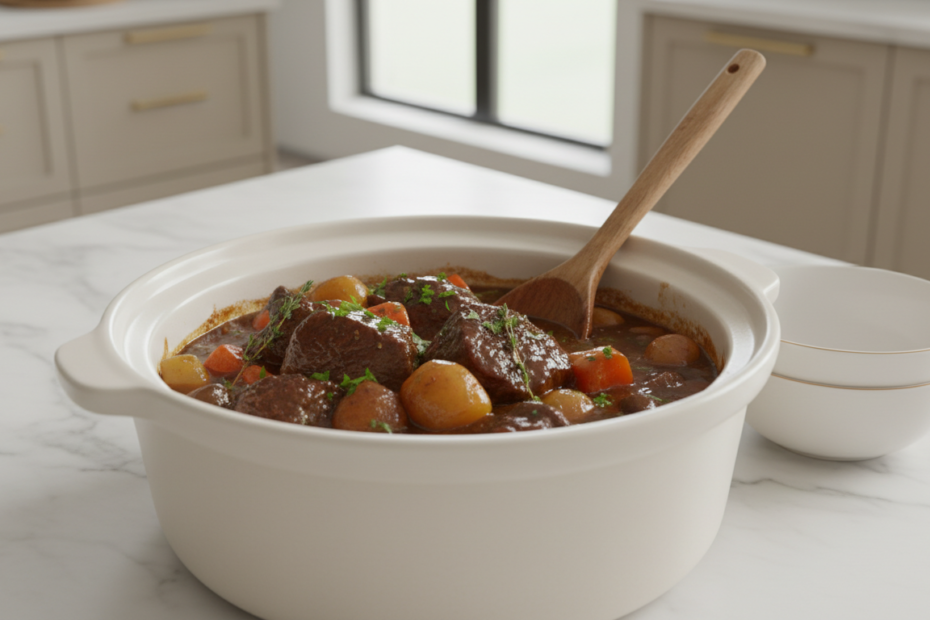
Let your slow cooker do all the work! These slow cooker dinner recipes fill your house with incredible aromas and your table with pure comfort. Whether you’re juggling a busy workday, chasing kids around, or simply craving a hands-off cooking experience, the slow cooker is your ultimate kitchen hero. Just toss in your ingredients, set the timer, and walk away — dinner practically makes itself.
In this guide, you’ll discover foolproof slow cooker dinner recipes that are hearty, flavorful, and perfect for any night of the week. Get ready to fall in love with the easiest meals you’ve ever made.
[toc]
Why You’ll Love These Slow Cooker Dinner Recipes
The magic of slow cooker dinner recipes lies in their beautiful simplicity. You spend just minutes prepping your ingredients in the morning, and by dinnertime you’re rewarded with deeply rich, tender, fall-apart dishes that taste like they took hours of hands-on effort. That’s the low-and-slow promise — maximum flavor with minimum fuss.
Beyond convenience, these recipes are incredibly budget-friendly. Cheaper cuts of meat like chuck roast, chicken thighs, or pork shoulder transform into restaurant-quality meals when given the time and moisture of a slow cooker. You save money, reduce food waste, and stretch a single batch across multiple meals.
And let’s not forget the comfort factor. There’s nothing quite like walking through the front door to the warm, savory smell of a home-cooked meal already waiting for you. These dishes are crowd-pleasers the whole family will request again and again — from creamy soups to braised meats, hearty stews, and beyond.
Ingredients You’ll Need
This recipe showcases a classic slow cooker beef stew — one of the most beloved slow cooker dinner recipes of all time. Here’s everything you’ll need:
- 2 lbs beef chuck roast, cut into 1-inch cubes — the star protein; becomes incredibly tender after slow cooking
- 4 medium Yukon Gold potatoes, cubed — hold their shape beautifully and absorb all the savory broth
- 3 large carrots, sliced — adds natural sweetness and color to balance the rich beef
- 3 stalks celery, chopped — builds the aromatic base of the stew
- 1 medium yellow onion, diced — essential for deep, savory flavor
- 4 cloves garlic, minced — adds bold, aromatic depth
- 2 cups beef broth — the flavorful cooking liquid that ties everything together
- 1 can (6 oz) tomato paste — adds body, richness, and a subtle tangy depth
- 2 tbsp Worcestershire sauce — boosts umami and adds complexity
- 1 tsp dried thyme — earthy herbal note that complements beef perfectly
- 1 tsp smoked paprika — adds warmth and subtle smokiness
- Salt and black pepper to taste — essential seasoning
- 2 tbsp cornstarch + 2 tbsp cold water (optional) — for thickening the gravy in the final 30 minutes
Substitution Note: No beef chuck? Use lamb shoulder or bone-in chicken thighs for equally tender results. Yukon Gold potatoes can be swapped for sweet potatoes for a slightly sweeter, nutrient-rich twist. For a gluten-free version, ensure your Worcestershire sauce and broth are certified gluten-free.
Prep & Cooking Time
Prep Time: 15 minutes
Cook Time: 8 hours on LOW or 4–5 hours on HIGH
Total Time: 8 hours 15 minutes
Servings: 6–8 generous portions
Difficulty: Easy — beginner-friendly
How to Make Slow Cooker Dinner Recipes Step by Step
Follow these simple steps and you’ll have one of the most satisfying slow cooker dinner recipes ready to serve without breaking a sweat.
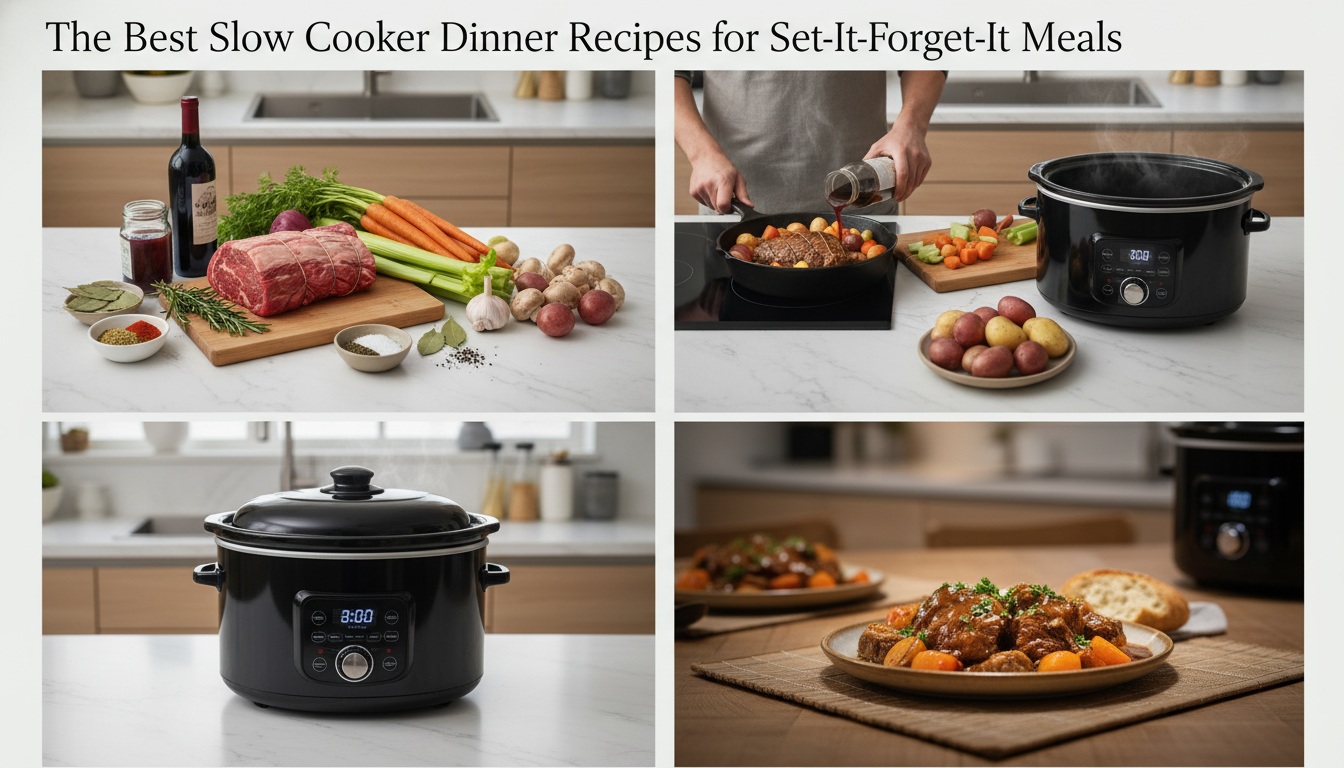
- Prep and season your beef. Pat the beef chuck cubes dry with paper towels and season generously with salt, pepper, and smoked paprika. Drying the meat first helps it develop a better texture during cooking. Tip: For extra flavor, sear the beef in a hot skillet with a little oil for 2–3 minutes per side before adding it to the slow cooker — it’s an optional step but adds incredible depth.
- Layer the vegetables. Add the potatoes, carrots, celery, and onion to the bottom of the slow cooker. Layering the dense vegetables on the bottom ensures they cook through evenly since they’re closest to the heat source.
- Add the beef on top. Place your seasoned beef cubes over the vegetables. This positioning allows the beef juices to drip down through the vegetables as everything cooks — flavor on flavor.
- Mix the cooking liquid. In a small bowl or measuring cup, whisk together the beef broth, tomato paste, Worcestershire sauce, minced garlic, and dried thyme. Pour this mixture evenly over all the ingredients in the slow cooker.
- Set and forget. Place the lid firmly on your slow cooker. Cook on LOW for 7–8 hours or on HIGH for 4–5 hours. Resist lifting the lid during cooking — every peek adds 15–20 minutes to your cook time.
- Thicken the gravy (optional). About 30 minutes before serving, mix the cornstarch and cold water into a slurry. Stir it gently into the slow cooker, replace the lid, and let cook on HIGH for the remaining 30 minutes until the broth thickens into a luscious gravy.
- Taste, adjust, and serve. Taste the stew before serving and adjust seasoning as needed. Ladle into deep bowls and serve with crusty bread or over egg noodles for the ultimate comfort dinner.
Nutritional Benefits of Slow Cooker Dinner Recipes
One of the underrated advantages of slow cooker dinner recipes is how well they preserve nutrients. Unlike high-heat cooking methods that can destroy water-soluble vitamins, slow cooking at lower temperatures retains more of the natural vitamins and minerals found in vegetables and lean proteins. This beef stew delivers a powerhouse of nutrition per serving:
- Calories: ~380 per serving
- Protein: ~32g — supports muscle repair and keeps you full longer
- Carbohydrates: ~28g — sustained energy from complex carbs in potatoes
- Fiber: ~4g — thanks to carrots, celery, and potatoes
- Iron: High — beef is one of the richest sources of heme iron, critical for energy and immune health
- Vitamin A: Excellent — from the carrots, supporting eye health and immunity
- Potassium: Strong — from potatoes, supporting heart and muscle function
For a deeper look at the nutritional value of slow-cooked beef and vegetables, the Healthline guide to beef nutrition is an excellent research-backed resource worth bookmarking.
Tips, Variations & Cooking Advice
1. Layer for Maximum Flavor: Always place root vegetables and dense ingredients at the bottom of the slow cooker and proteins on top. The heat distributes upward, so this layering ensures everything cooks evenly without the meat drying out or vegetables turning to mush.
2. Easy Protein Swaps: This recipe works beautifully with bone-in chicken thighs (reduce cook time to 5–6 hours on LOW), pork shoulder, or even a hearty mushroom and lentil mixture for a fully plant-based version that is just as rich and satisfying.
3. Exciting Flavor Variations: Want a different spin? Try a slow cooker chicken tikka masala by swapping the broth for coconut milk and adding garam masala, cumin, and crushed tomatoes. Or go Mexican-inspired with chipotle peppers, black beans, and lime juice for a slow cooker taco filling that feeds a crowd effortlessly.
4. Smart Storage: Cool leftovers completely before transferring to airtight containers. Refrigerate for up to 4 days or freeze in portioned containers for up to 3 months. This makes slow cooker dinner recipes ideal for weekly meal prep — cook once, eat all week.
Common Mistakes to Avoid
Adding too much liquid. Unlike stovetop cooking, the slow cooker traps steam and moisture. Adding too much broth results in a watery, thin stew instead of a rich, flavorful one. Stick to the recipe amounts — the vegetables release their own moisture as they cook.
Lifting the lid too often. Every time you remove the lid, heat escapes and you add 15–20 minutes to the cooking time. Trust the process and keep the lid on unless the recipe specifically calls for you to stir or add ingredients.
Using lean meat exclusively. Cuts like chicken breast or beef sirloin can become dry and tough after 8 hours. Always opt for slightly fattier, tougher cuts like chuck roast, chicken thighs, or pork shoulder — they are designed to break down and become tender over long cooking times.
Adding dairy too early. Milk, cream, sour cream, and cheese can curdle or separate when slow-cooked for hours. Always stir dairy ingredients in during the last 15–30 minutes of cooking for a smooth, creamy finish.
Serving Suggestions & Storage
Serving Ideas: Ladle this slow cooker beef stew over creamy mashed potatoes, buttered egg noodles, or fluffy white rice for a complete, hearty dinner. For a lighter option, serve alongside a crisp green salad and a slice of warm, crusty sourdough bread for dipping into that incredible gravy. A sprinkle of fresh parsley or thyme on top adds a beautiful pop of color and freshness.
Make It a Feast: Round out your dinner table with a simple Caesar salad, roasted garlic bread, or steamed green beans with butter. These slow cooker dinner recipes are also perfect for entertaining — just set the slow cooker to warm and let guests serve themselves.
Storage: Store cooled leftovers in airtight containers in the refrigerator for up to 4 days. The stew actually tastes even better the next day as the flavors continue to develop overnight.
Freezing: Freeze in individual or family-sized portions for up to 3 months. Use freezer-safe bags or containers, and label with the date. Leave about an inch of headspace for expansion.
Reheating: Thaw overnight in the refrigerator, then reheat gently on the stovetop over medium-low heat, stirring occasionally. Add a splash of beef broth if the stew has thickened too much during storage. You can also reheat directly in the microwave in 90-second intervals, stirring between each.
Conclusion
There’s a reason slow cooker dinner recipes have stood the test of time — they deliver incredible, home-cooked comfort with almost zero active effort. Whether you’re making a classic beef stew, a creamy chicken dish, or a bold, spiced plant-based meal, the slow cooker transforms simple, affordable ingredients into something truly special. If you loved this recipe, be sure to explore our Easy Weeknight Dinner Recipes for even more inspiration. And don’t miss our collection of Meal Prep Recipes to plan your whole week in advance. Now go dust off that slow cooker, drop in your ingredients, and let dinner take care of itself — you’ve earned it!
Frequently Asked Questions About Slow Cooker Dinner Recipes
Can I put raw meat directly into the slow cooker?
Yes, absolutely! One of the greatest conveniences of slow cooker dinner recipes is that you can add raw meat directly to the pot. The long, low cooking time ensures the meat reaches a safe internal temperature and becomes perfectly tender. That said, searing the meat first in a hot skillet for 2–3 minutes per side adds an extra layer of deep, caramelized flavor that is well worth the effort when you have time.
Is it safe to leave the slow cooker on all day while I’m at work?
Yes — slow cookers are specifically designed to be left unattended for extended periods and are one of the safest kitchen appliances for all-day cooking. Always place your slow cooker on a flat, heat-safe surface away from flammable materials, ensure the lid fits tightly, and use the LOW setting for 8-hour cook times. Most modern slow cookers also have an automatic “warm” setting that activates once the cooking time is complete.
Can I convert a regular oven recipe into a slow cooker dinner recipe?
In most cases, yes! As a general rule of thumb: 1 hour of oven cooking at 350°F (175°C) converts to approximately 6–8 hours on LOW or 3–4 hours on HIGH in a slow cooker. Reduce the liquid in the original recipe by about one-third since the slow cooker traps steam and moisture that would otherwise evaporate in an oven. Soups, stews, braises, and casseroles convert especially well.
How do I prevent my slow cooker dinner recipes from tasting bland?
The key to flavorful slow cooker meals is layering your seasoning thoughtfully. Start with a well-seasoned protein, use a flavorful liquid base (broth over water whenever possible), and don’t forget aromatics like garlic, onion, and fresh or dried herbs. A splash of Worcestershire sauce, soy sauce, or a spoonful of tomato paste adds incredible depth. Always taste and adjust seasoning at the end of cooking, since salt and spices can mellow over long cook times — a pinch of salt or a squeeze of lemon right before serving can brighten everything beautifully.